Can You Get Ski Fit in 2 Weeks?
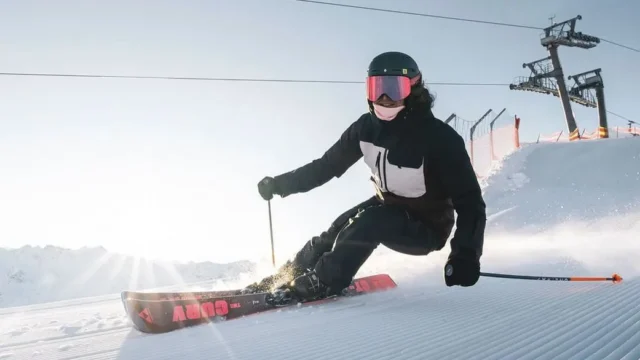
Let’s be honest — a ski trip isn’t your average cruisy holiday. Between lugging gear, wrangling layers, and tackling steep runs, a skiing holiday can feel more like boot camp than a break. But can you actually get ski fit in two weeks? Short answer: sort of. Long answer: if you’re smart about it, two weeks is enough time to build a solid base, avoid injury, and not look like a winded wombat on your first downhill run.
As someone who’s hit the slopes from Thredbo to Treble Cone and seen plenty of gung-ho mates burn out on Day One, I’ve got a few yarns and a game plan to help you hit the snow stronger.
Contents
What Does “Ski Fit” Even Mean?
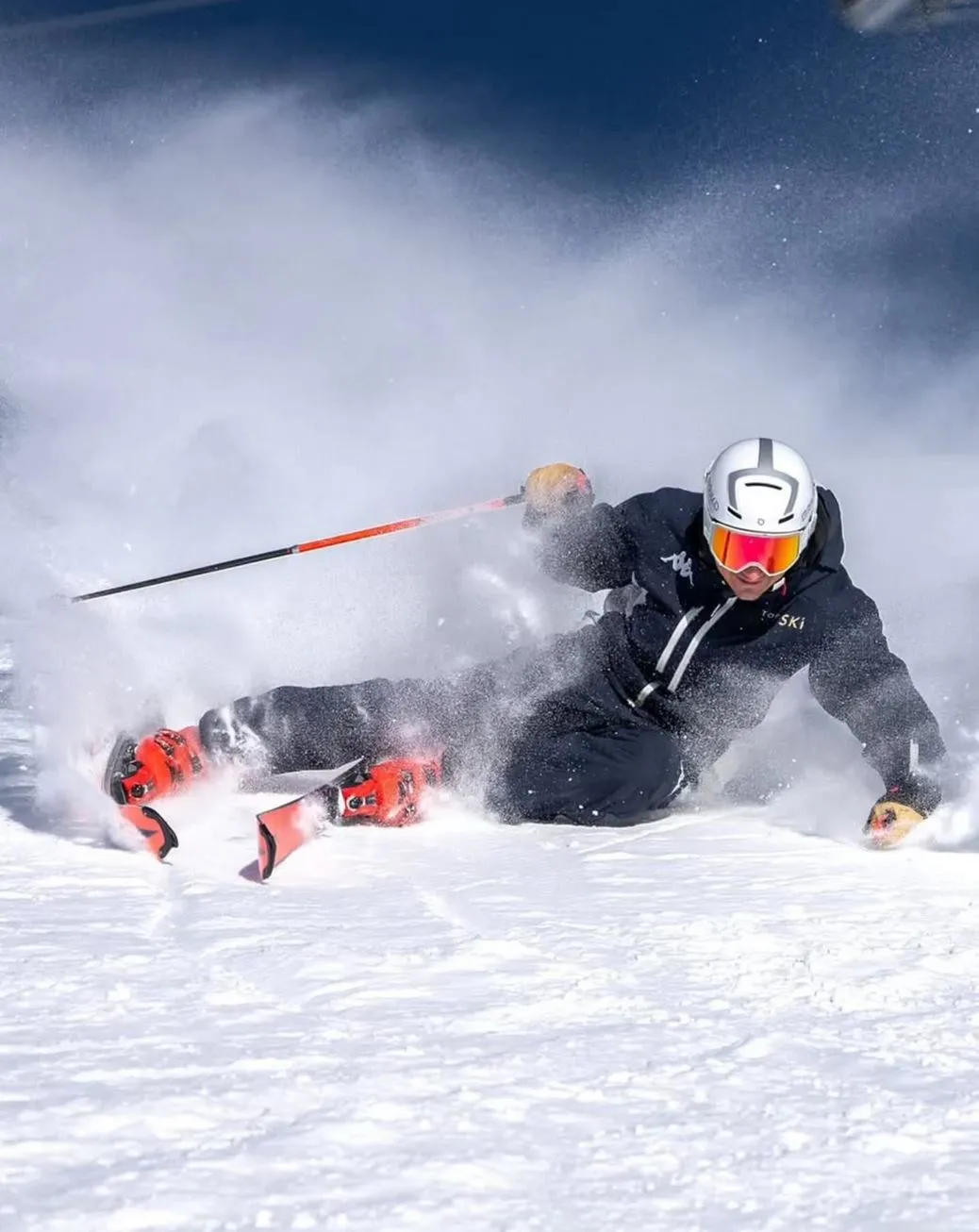
Ski fitness isn’t about looking good in thermals — it’s about getting your body ready for:
- Quick direction changes (think moguls or dodging kids on toboggans)
- Leg and core endurance (those long green runs aren’t as chill as they seem)
- Joint stability (knees and ankles cop a beating)
- Cardiovascular recovery (altitude + cold = puff city)
So you’re aiming for a mix of strength, balance, mobility and cardio — all forms of exercise that prepare your body for the demands of a full day of skiing. Whether you’re a beginner or a higher-level skier, being in reasonable shape will make a massive difference.
The 2-Week Ski Fit Plan
Got a fortnight before your annual trip to the snow? Here’s how to make the most of it without fancy equipment or personal trainers.
Week 1: Build a Base
Goal: Wake up those ski muscles and activate your core muscles.
Daily Moves (20–30 mins):
- Bodyweight squats (3×15) — use a standing position and keep your form tight
- Lunges with a twist (3×10 each leg) — ideal starting position to build ski-specific strength
- Wall sits (3×30 secs – aim to increase each day)
- Plank holds (3×30 secs) — perfect for core stability
- Bird-dogs (core + balance – 3×10 each side)
- Skipping, stair climbing or brisk walking (15 mins minimum)
Bonus tip: Balance exercises like standing on one foot while brushing your teeth — it actually helps with ski agility.
Week 2: Boost Power and Endurance
Goal: Mimic ski movements, boost cardio and up the intensity.
Add These (30–45 mins):
- Jump squats or box jumps (3×10)
- Side-to-side skater hops (3×15 each side)
- Mountain climbers or burpees (3×20 seconds)
- Core circuit (planks, Russian twists, V-ups)
- Stair sprints or interval runs (20 mins)
- Agility drills to improve reaction time and movement patterns
Stretching: Always cool down. Focus on hips, hamstrings, calves and quads.
Mobility matters — search up a ski mobility routine and run through it daily. Your knees will thank you on the first chairlift.
Aussie Conditions to Train For
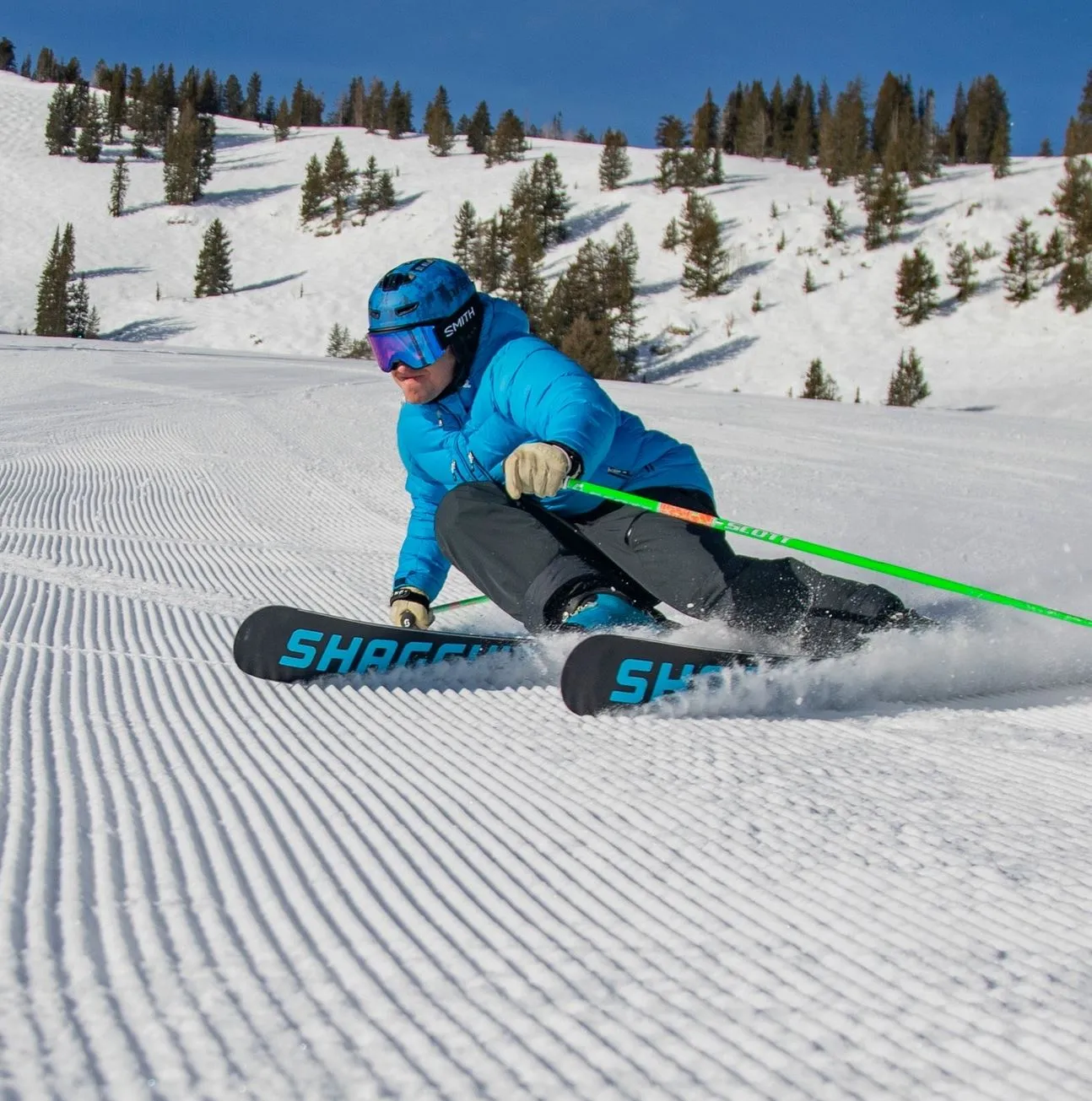
Whether you’re heading to Falls Creek, Mt Buller or even Cardrona across the ditch, our local slopes have quirks worth prepping for:
- Unpredictable snow: One day powder, next day icy ruts
- Changing weather: Bluebird mornings turn stormy in minutes
- Lift lines: Standing in ski boots for 20+ mins tests your calves like nothing else
- Altitude: Not Everest, sure, but even 1600 metres at Perisher will challenge sea-level lungs
When I trained for a backcountry trip in the Snowy Mountains, I hiked Mt. Kosciuszko with a weighted pack and hit the stairwell in my apartment block for leg endurance. Not glamorous — but it worked.
If you’re already planning a visit to the Snowy Mountains, check out a few of the local scenic hikes or extend your stay with a side trip to nearby destinations like Lake Jindabyne or Yarrangobilly Caves — both well worth the detour. I’ve even seen some Wildlife Tours options that bundle snowfields with native wildlife encounters — a great mix for families.
If you’re short on time, even a single snow day trip can be a great way to shake off the cobwebs and give your ski fitness a test run. Some folks book a snow day trip to Mt Baw Baw just to squeeze in practice turns and check their gear before a longer stay.
Eating for Energy
If you’re upping your physical activity and training load, fuel properly:
- Brekkie: Oats, Greek yoghurt, or eggs on toast
- Snacks: Bananas, trail mix, boiled eggs
- Lunch/Dinner: Lean protein, heaps of veg, and quality carbs like brown rice or sweet spuds
- Hydration: Even in winter, drink like it’s summer. Dehydration hits hard on the slopes
Two weeks out, I ease off heavy booze, ramp up hydration, and sneak in extra magnesium to avoid cramps. One of the skiers I met last season on an Autopia Tours snow trip swore by beetroot juice for circulation — wild, but it worked for him.
A day trip to snow from Melbourne can also be a good trial run to test what snacks and meals keep you energised throughout a full day of skiing.
Last-Minute Gym Bag Essentials
If you’ve only just decided to prep, your legs might still scream by Day 2. But packing smart helps:
- Compression tights: Great under ski pants for recovery
- Foam roller or massage ball: Essential for post-run soreness
- Electrolyte sachets: Help beat altitude fatigue and DOMS
- Supportive shoes: For walking around resorts — leave the worn-out thongs at home
- Basic strapping tape or knee brace: If you’ve had niggles in the past
Managing Expectations
Look, two weeks won’t turn you into a downhill champ — but it can absolutely:
- Help you ski longer without collapsing at lunch
- Reduce your risk of ACL tears and quad blowouts
- Make the experience way more enjoyable (and less embarrassing)
When I guided a group in Hotham last season, the folks who followed even a basic prep plan were noticeably fresher by Day 3. The ones who didn’t? Let’s just say the hot tubs saw more action than the chairlifts.
I’ve also seen more and more people combining their ski holiday with adventure tours in places like Bright or Omeo. If that’s your style, have a look at Wayoutback Tours — they occasionally pair regional Aussie experiences with alpine runs.
When to Start? Yesterday. But Today’s Still Good.
The best time to start ski exercises is 6–8 weeks out. The next best? Right now.
Even if your trip’s around the corner, doing something is better than nothing. Your muscles adapt quickly, and even light prep makes a difference — especially in those early runs when your ego’s writing cheques your quads can’t cash.
I had a last-minute booking with Autopia Tours last year — had to prep fast, and let me tell you, even ten days of squats and stair sprints made the trip way smoother.
If you’re in Melbourne or Sydney and can’t commit to a full week away, a snow day trip with a local tour company is an easy, low-stress way to build confidence and shake down your gear.
Final Takeaway
You don’t need to be a gym junkie or alpine athlete to enjoy the snow — but a bit of prep goes a long way. Even just 15–30 minutes a day for two weeks can totally change how your trip feels.
Got a ski trip coming up? Try this plan and tell me how your legs feel on Day 3 — I’m always keen to hear snow stories from the slopes.
And if you’re heading to the Aussie alps or another winter wonderland, give me a shout — I’ve got packing checklists, sneaky coffee spots and advice on where to avoid the weekend crowds. Autopia Tours also runs a few great seasonal add-ons if you’re looking to bundle your snow trip with something unexpected.
FAQ
Is two weeks really enough to get ski fit?
It won’t make you elite, but two weeks is enough to build strength, improve endurance, and help prevent injury — if you train smart.
What’s the most important muscle group to focus on?
Legs and core. Think squats, lunges and planks. They’ll help with balance, turning, and stamina on the slopes.
Do I need gym equipment?
Nope. Bodyweight exercises, stairs, skipping, and home mobility drills will do just fine.
What if I’ve been inactive for months?
Start gently, focus on form, and skip the jumping moves if needed. Walking, mobility and light strength work are still valuable.
How can I prevent soreness on the trip?
Stretch daily, hydrate like mad, warm up before runs, and use recovery tools like foam rollers or magnesium spray.